5 Secrets of Japanese Sleep for Improved Rest
We’ve seen plenty of new sleep hacks lately. But every now and then, it’s important to look back at tricks that have stood the test of time for a restful routine. And Japanese sleep secrets are where it’s at.
There are some significant differences between Western and Japanese sleep habits. And the East Asian way of learning how to sleep better takes on a much more minimalist approach with a strong focus on intentional rest.
From switching mattresses to embracing minimalism in interior design and setting healthy wind-down habits, here’s everything you need to know about Japan’s way of rest.
1. Designing a Minimalist Sleep Environment

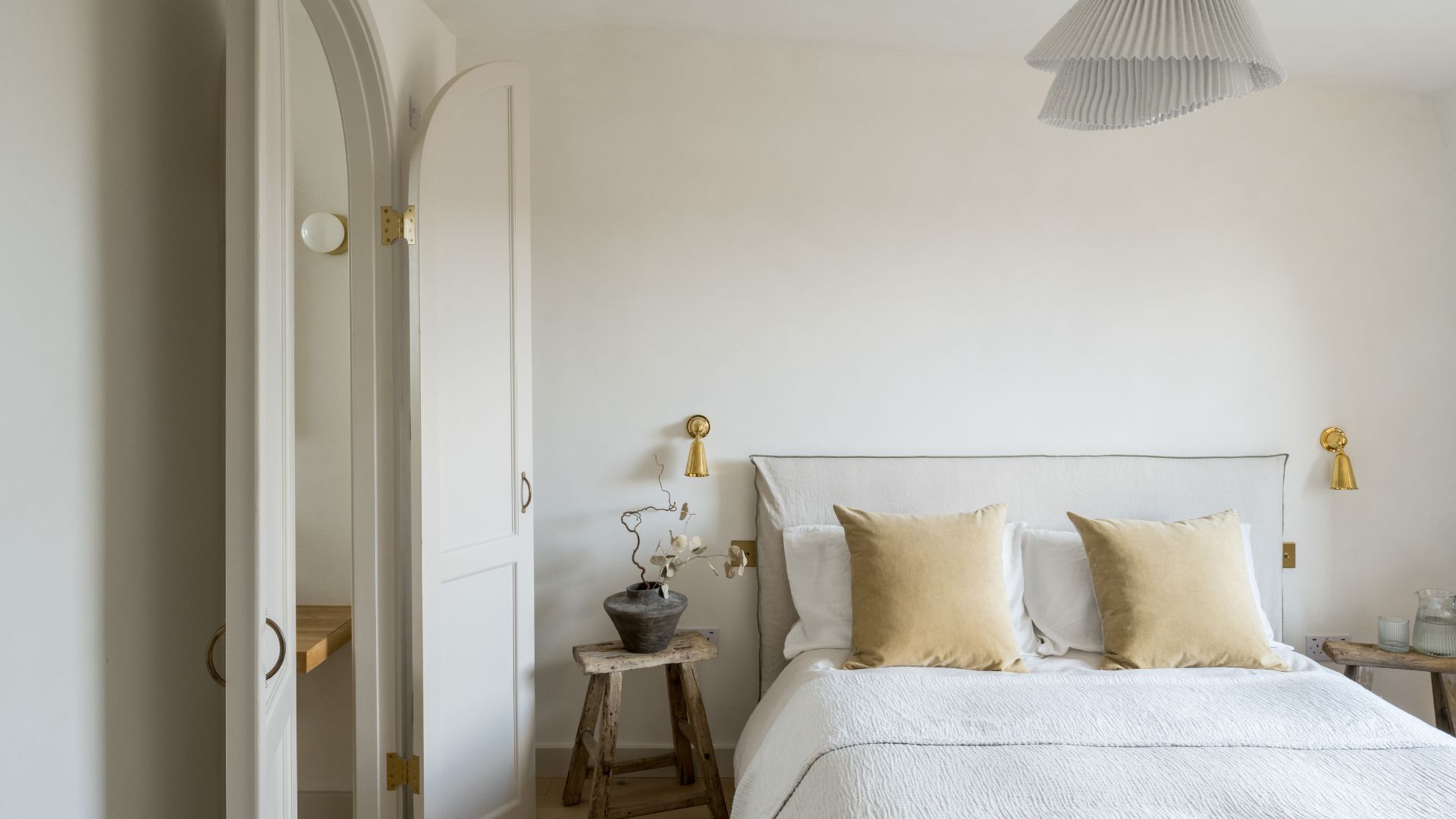
A minimalist space that’s calm and clutter-free is the key to designing a Japan-inspired sleep environment.
(Image credit: H&M)
In Japan, cozy bedroom ideas typically come with a minimalist color palette and design scheme that supports deeper, healthier sleep.
“Japanese bedrooms tend to be very simple and uncluttered, with calming colors and few distractions,” says Dr. Kira Capozzolo, co-founder of Twin Waves Wellness. “That minimalist setup lowers stress and helps signal the brain that the room is for rest, not stimulation.”
Sleep science coach Livvi DiCicco also explains that minimalist lighting makes a difference. “Using less lighting before bed is prioritized in Japanese homes,” she notes. “And some people use paper lamps or warmer lights to avoid being exposed to too much light before bed for the brain.”

H&M
Rice Paper Floor Lamp
Color: Light Ecru
Including Japanese-style decor like this Rice Paper Floor Lamp from H&M is a great way to lull your space into a sleep haven.

Dr. Kira Capozzolo is a chiropractor of seven years located in Solana Beach, CA. Alongside her twin sister, she opened Twin Waves Wellness Center, a gentle-touch chiropractic office that specializes in Network Spinal. With a focus on nervous system optimization, they provide subtle yet precise adjustments along the spinal cord to help unwind stored tension in the muscles and body. She aims to help clients reconnect with their innate healing abilities, supporting transformative improvements in physical and emotional well-being.

Livvi DiCicco is a staff writer and certified sleep science coach. She has been writing, editing, and researching sleep-based content for over a year. After graduating from the University of Iowa with a degree in English & Creative Writing, she decided to work in the digital marketing field, continuing her creative works on the side. Her other interests (besides napping and writing) include digital art, history, and boba tea.
2. Foregoing Western Mattresses for Firmer Alternatives

Switching to a firmer mattress will improve your rest routine and help your posture.
(Image credit: Anna Stathaki. Design: Yoko Kloeden)
Kira tells me that one of Japan’s most common sleep habits involves the country’s preference for hard mattresses. “Japanese futon beds on tatami mats are much firmer than Western mattresses,” says Kira.
“A firmer surface can actually support spinal alignment, which may reduce tossing and turning. While not everyone will love a tatami mat, a medium-firm mattress often works best for back health and sleep quality.”
Sleep expert Kenny Timper also finds that these beds are better for deeper rest. “Many Japanese homes use futons directly on tatami mats,” he says. “This firmer surface can help with better posture, keep the spine aligned, and keep you cooler at night.”
This FULI Japanese Futon Mattress from Amazon comes in plenty of sizes, and it’s the best-rated for airy yet firm support.

Kenny is a staff writer at Sleepopolis and a certified sleep science coach. He tests the good, the bad, and the ugly of all things sleep, so you can skip the trial and error and jump straight into a good night’s rest. Kenny graduated from William Peace University with a degree in English and a minor in communication. Outside of testing and writing about mattresses, he enjoys hiking, biking, or avoiding the pit at your local heavy metal concert.
3. Focusing on Temperature Regulation

Do as Japan would and pay attention to the temperature of your sleep space.
(Image credit: French + Tye. Design: Bradley Van Der Straeten)

Bed Threads
Oatmeal Duvet Cover Set
Material: 100% French Flax Linen
Dress your bedscape in this Bed Threads’ Oatmeal Duvet Cover Set for a space that’s free from visual traffic and completely calming.
According to Kira, keeping the sleep space cool is another common practice, especially if you’re a hot sleeper who struggles to get a comfortable night of sleep.
“In Japan, lightweight bedding that changes with the season is used to maintain comfort without overheating,” she explains. “This aspect of sleep hygiene is important since body temperature naturally drops at night.”
Besides the types of bedding in your room, the materials matter, too. “Natural materials like cotton or linen bedding are often chosen because they breathe well and keep body temperature steady through the night,” says Livvi. I recommend investing in bamboo bedding for a more temperate sleep environment.
4. Indulging in Evening Bathing Rituals

A refreshingly warm bath is a great way to cap off your evening and ready yourself for rest.
(Image credit: Martina Gemmola. Design: ELC Architecture & Interiors)
Kira tells me that a hot shower before bed is deeply ingrained in Japanese culture. “The gentle rise and then fall in body temperature after a bath helps trigger the body’s natural sleep response,” she says. “It also doubles as a stress-relief ritual.”
Kenny also recommends bathing before bed as a long-standing Japanese sleep ritual. “A warm soak relaxes muscles and helps the body’s core temperature drop afterward, which signals the brain it’s time to sleep,” he advises.
And if you’re ever facing summer insomnia, this Japanese sleep secret might be just the trick to help you slip into sweet dreams with ease.

Le Labo
Hinoki Shower Gel
Size: 250 ml
Commit to your Japanese wind-down routine by indulging in this Hinoki Shower Gel by Le Labo.
5. Practicing Mindful Wind-Down Routines

Curating a soft wind-down routine is important for healthy sleep.
(Image credit: Federico Kulekdjian. Design: GRIZZO STUDIO)
I have taken plenty of inspiration from Japanese culture for winding down before bed. And I’m fairly certain that no one does calm-inducing pre-sleep rituals quite like the Japanese.
“There’s a cultural emphasis on winding down with intention, whether that’s a cup of tea, light stretching, or quiet reflection before bed,” says Kira. “That kind of ritual helps train the nervous system to shift out of ‘go mode’ and into rest.”
Curating a zen sleep routine will cure any bedtime procrastination and help you snooze without having to spend any time counting sheep.

InkHeart Pottery
Volcanic Stone Crockery Ceramic Kyusu Teapot
Color: Black
This Volcanic Stone Crockery Ceramic Kyusu Teapot from Etsy is the perfect accessory to your very own at-home tea ceremony before sleep.
FAQs
Why Do Japanese Couples Sleep Separately?
Japanese couples have been ahead of the sleep divorce trend this whole time. Partners in this part of Asia tend to sleep separately to benefit from better rest, void of any distractions and disruptions. This is a great way to overcome sleep routine differences and come together for healthier slumber.
These Japanese sleep hacks are only the first step in creating a tranquil space for rest. Next, check out our guide to Japanese design principles to influence the rest of your home into a stress-soothing ambiance.
link