Getting to the heart of matter could end up saving your life! – Connacht Tribune
CARDIOVASCULAR health refers to the health of the heart and blood vessels. Diseases affecting either the heart or blood vessels are known as cardiovascular diseases (CVD), which are the leading cause of premature death in Ireland. One in four deaths in Ireland is due to CVD.
An initiative last Autumn between CROÍ [the West of Ireland Cardiac Foundation], IFA and the Dept of Agriculture, involved carrying out wellbeing checks on farmers’ cardiovascular health at local marts across Ireland.
As part of the initiative, over 1,200 health checks were done in 16 locations. These checks found that nearly 50% of participants presented with elevated blood pressure or cholesterol levels.
Mark O’Donnell CEO of CROÍ said that the response to this pilot programme showed the real need for accessible health checks in rural communities.
“Cardiovascular health is key to overall well-being, yet many risk factors go unnoticed. With 80% of premature cardiovascular disease being preventable, early detection and early treatment is essential.
“The high rates of elevated blood pressure and cholesterol identified, highlight why regular heart health checks matter,” said Mark O’Donnell.
There is though a good news side to this as the vast majority of cardiovascular diseases are preventable.
Cardioiovascular Disease: get to know what it’s about
Heart and blood vessel disease – also called heart disease – includes numerous problems, many of which are related to a process called atherosclerosis which is a condition that develops when a substance called plaque builds up in the walls of the arteries.
This build-up narrows the arteries, making it harder for blood to flow through: if a blood clot forms, it can stop the blood flow. This can cause a heart attack or stroke.
Arrhythmia is another form of coronary artery disease: this is an abnormal rhythm of the heart. There are various types of arrhythmias which can cause the heart to beat too slow, too fast or irregularly. Atrial fibrillation is an example of a cardiac arrhythmia.
Importance of identifying all of the key risk factors
Several factors contribute to the development of cardiovascular disease. While some, such as age and family history, are beyond an individual’s control, others can be managed through lifestyle choices. Key risk factors include:
■ Family history: A person’s genetic makeup may increase the likelihood of heart disease.
■ Age: The risk of cardiovascular disease rises with age.
■ Gender: Middle-aged men and post-menopausal women are at a higher risk.
■ Lifestyle choices: Smoking, a poor diet, and a sedentary lifestyle [little exercise] significantly elevate heart disease risk.
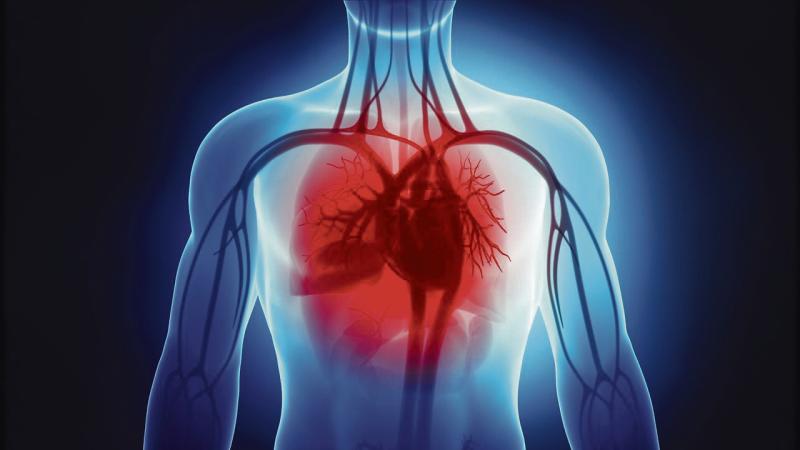
Pictured: Knowing your heart can be a lifesaver.
link