How to Go to Sleep Earlier
When you buy through our links, we may earn a commission. Products or services may be offered by an affiliated entity. Learn more.

Sarah Shoen

|
Medically Reviewed by
Abhinav Singh, MD, MPH, FAASM

A number of factors may impact your ability to go to sleep early. Perhaps you are not a morning person, or you have work or family obligations that keep you up late. Some sleep or mental health disorders, such as insomnia or anxiety, can make falling asleep difficult. In other instances, nighttime may be your only time to relax, and so you engage in revenge bedtime procrastination and stay up late, which then negatively impacts your next day.
The average adult needs at least seven hours of sleep each night. However,
35% of Americans
Trusted Source
Centers for Disease Control and Prevention (CDC)
As the nation’s health protection agency, CDC saves lives and protects people from health threats.
View Source
get fewer than seven hours of sleep at night. If an early work or school schedule is making it difficult to get a full night’s rest, you may wonder how you can reset your sleep routine. Implementing sleep hygiene techniques may help you train your body to go to sleep earlier.
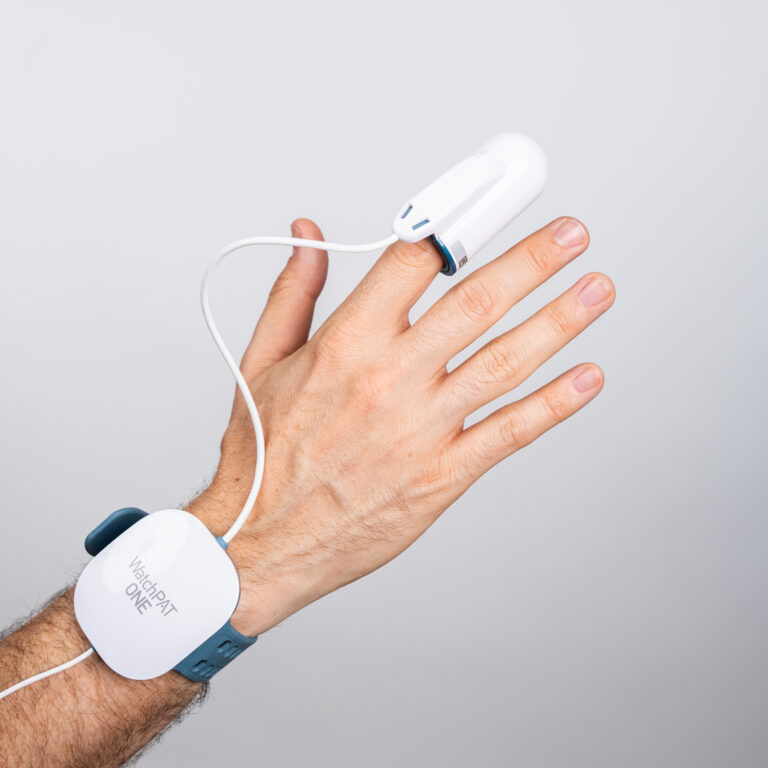
Struggling to Stay Awake? Take an At-Home Sleep Test
our partner at sleepdoctor.com
Save 10% + FREE 2-Day Shipping
Shop Now
“Truly grateful for this home sleep test. Fair pricing and improved my sleep!”
Dawn G. – Verified Tester

Simple and convenient
It’s simple and convenient
- Equipment delivered to your doorstep
- One overnight test in the comfort of your own bed

Uncover sleep apnea
Uncovers type of sleep apnea
- Quietly collects data while you sleep
- 98% effective in detecting sleep apnea
Affordable & ships fast
Affordable and ships fast
- Arrives in 2-4 business days
- In-lab sleep tests cost ~$3,000+ (this one’s $189), HSA/FSA eligible
Develop an Evening Routine
Bedtime routines are a well-documented, effective strategy for improving sleep in children. Incorporating relaxing activities before bed is also recommended for adults to improve sleep habits and get more sleep overall.
Your routine at night can include any number of relaxing activities:
- Taking a Warm Shower or Bath: A shower or a bath can help you destress and relax before bedtime. Plus, research shows that this routine lowers your core body temperature, which can help you fall asleep faster and improve your quality of sleep.
- Meditation: The practice of quiet, concentrated attention has a number of health benefits. Meditation near bedtime may help reduce anxiety that might otherwise keep you awake, limit symptoms of insomnia, and reduce sleep disturbances.
- Reading: Reading a book is another good way to relax and induce sleepiness. It is important to note that some researchers have found that reading on a tablet rather than a book can make you less sleepy and
delay deep sleep
Trusted Source
National Library of Medicine, Biotech Information
The National Center for Biotechnology Information advances science and health by providing access to biomedical and genomic information.View Source
. - Listening to Music: Gentle or calming music can also help you unwind before bedtime. Research shows that listening to gentle music induces relaxation and improves sleep quality.
- Journaling: If stress and to-do lists are keeping you up at night, try writing your concerns down in a
journal
Trusted Source
National Library of Medicine, Biotech Information
The National Center for Biotechnology Information advances science and health by providing access to biomedical and genomic information.View Source
. Studies have found that offloading these mental problems onto paper may help you fall asleep faster.
Manage Blue Light Exposure
While it may be tempting to scroll on your phone to relax before bedtime, the habit could be keeping you up later. Research shows that blue light suppresses the body’s production of melatonin, the sleep hormone. This can be helpful in the morning, when you want to wake up. However, blue light exposure in the evening could make you take longer to fall asleep, get less sleep overall, and get lower-quality sleep.
In addition to cell phones, common electronics such as
TVs, computers, tablets
Trusted Source
National Library of Medicine, Biotech Information
The National Center for Biotechnology Information advances science and health by providing access to biomedical and genomic information.
View Source
, and even backlit e-books all emit blue light. To avoid melatonin suppression and staying up later than you want, it is best to limit the use of these types of devices in the hours before bedtime. Some experts recommend keeping the devices out of the bedroom altogether to resist the temptation to
check notifications at night
Trusted Source
National Library of Medicine, Biotech Information
The National Center for Biotechnology Information advances science and health by providing access to biomedical and genomic information.
View Source
.
Maintain a Consistent Sleep Schedule
If you go to sleep at different times each day, it can be difficult to fall asleep earlier. Waking up and going to bed at the same time each day helps your body develop a routine. Even on weekends and days you would like to sleep in, it helps to maintain a consistent sleep schedule. As you adjust to an earlier sleep schedule, it can help to make the change in smaller 15-minute increments.
Many people find that napping too late in the day can interfere with nighttime sleep. If you are trying to go to bed earlier, you may want to avoid naps in the afternoon and evening.

Exercise
Studies have shown that exercising regularly in line with public health recommendations leads to better sleep. However, experts generally recommend against intensive exercise right before bedtime. Vigorous exercise less than an hour before you go to bed may
delay falling asleep
Trusted Source
National Library of Medicine, Biotech Information
The National Center for Biotechnology Information advances science and health by providing access to biomedical and genomic information.
View Source
and reduce overall sleep time.
If you want to exercise before bedtime, try a low- or moderate-intensity activity. Some meditative movements such as yoga, tai chi, or qigong include combinations of gentle stretching and breathing exercises. These activities can help you relax before bedtime. Yoga in particular has been shown to help improve the management of sleep problems and
relieve stress
Trusted Source
National Center for Complementary and Integrative Health (NICCH)
NCCIH funds and conducts research to help answer important scientific and public health questions about complementary health approaches.
View Source
.
Create a Soothing Bedroom Environment
Another healthy sleep tip is to make sure your room is conducive to sleep. There are many steps you can take to create a comfortable bedroom environment:
- Keep Your Room Dark: Sunlight, lamps, and light from electronics can all keep you awake longer than you want. Heavy curtains or blackout curtains can eliminate light from the sun or streetlights. You can also use an eye mask.
- Lower The Temperature: A slightly cool room is generally ideal for sleep. If you live in a warm climate, it may be helpful to turn down the thermostat, use a fan, and invest in seasonally appropriate bedding.
- Eliminate Noise: A quiet space allows you to drift off to sleep without distraction. Earplugs are a great way to block out sound. White noise machines or fans can also conceal unwanted noises.
- Reserve the Bedroom for Sleep: To strengthen the mental association between
your bed and sleeping
Trusted Source
National Center for Biotechnology Information
The National Center for Biotechnology Information advances science and health by providing access to biomedical and genomic information.View Source
, avoid bringing your laptop to bed. Along similar lines, if you cannot fall asleep after 20 minutes, go to another room and do a relaxing activity until you feel sleepy.
Avoid Caffeine Late in the Day
Although a cup of coffee late in the day may give you the boost you need to wrap up a project, it may also keep you up at night. Experts recommend avoiding stimulants including coffee, tea, and energy drinks four to six hours before bedtime.
Try a Natural Sleep Aid
A number of natural sleep aids can help you fall asleep earlier:
- Melatonin: Melatonin is a hormone that helps regulate your circadian rhythm by
inducing sleepiness
Trusted Source
National Center for Complementary and Integrative Health (NICCH)
NCCIH funds and conducts research to help answer important scientific and public health questions about complementary health approaches.View Source
. While not designed to be a long-term solution, melatonin supplements taken shortly before bedtime may help some people drift off to sleep sooner. - Herbal Tea: Preliminary studies have demonstrated that drinking certain types of herbal tea can reduce fatigue and
improve sleep quality
Trusted Source
National Library of Medicine, Biotech Information
The National Center for Biotechnology Information advances science and health by providing access to biomedical and genomic information.View Source
. Bear in mind that drinking too much liquid close to bedtime may wake you up during the night to
visit the bathroom
Trusted Source
National Library of Medicine, Biotech Information
The National Center for Biotechnology Information advances science and health by providing access to biomedical and genomic information.View Source
, which can disrupt sleep. - Sleep-Inducing Scents: Although current research is limited, aromatherapy is sometimes used to
treat insomnia
Trusted Source
National Center for Complementary and Integrative Health (NICCH)
NCCIH funds and conducts research to help answer important scientific and public health questions about complementary health approaches.View Source
. For example, lavender may
improve sleep quality
Trusted Source
National Library of Medicine, Biotech Information
The National Center for Biotechnology Information advances science and health by providing access to biomedical and genomic information.View Source
.
Consult with your healthcare provider before trying a natural sleep aid. They may have suggestions specific to your sleep goals. They may also help you identify any potential sleep disorders preventing you from falling asleep early.

Still have questions? Ask our community!
Join our Sleep Care Community — a trusted hub of sleep health professionals, product specialists, and people just like you. Whether you need expert sleep advice for your insomnia or you’re searching for the perfect mattress, we’ve got you covered. Get personalized guidance from the experts who know sleep best.
link