Rural recruitment, mental health funding are challenges for psychiatry sector in N.B., association says


Listen to this article
Estimated 3 minutes
The audio version of this article is generated by text-to-speech, a technology based on artificial intelligence.
The New Brunswick government is looking into ways to address challenges within the province’s mental health system — particularily when it comes to the low number of psychiatrists available to treat people in the province.
Rob McKee, the minister responsible for addictions and mental health services, said there are over 31 vacancies in the province for psychiatrists.
In Canada, there’s an average of about 15 psychiatrists per 100,000 people, said McKee. But the ratio in New Brunswick is around 11 per 100,000 people.
The province is now implementing its Psychiatry Resource Strategy, which aims to address this problem by strengthening recruitment, retention and support for psychiatrists across New Brunswick.
Recruitment challenges
Dr. Anthony Njoku, the president of the New Brunswick Psychiatric Association, said there are several issues facing the sector in the province, including recruitment.
“New Brunswick is a bit off the map, it’s not exactly the prime choice of location for most people, most specialists or professionals,” said Njoku.
“Even within New Brunswick, of course, the rural areas predominantly are under-resourced, far above perhaps Fredericton or any of the other urban centers… most people are drawn to the urban areas rather than the rural areas.”
Njoku said the province did increase recruitment incentives for rural areas, which he said will help. But, at the same time, New Brunswick has also been “playing catch up with the rest of the provinces across Canada.”
The overall funding of mental health services is also a challenge. Njoku said funding for mental health resources is around 6 per cent of the health budget, lower than the national standard of 12 per cent.
Njoku also said a lot of newer doctors are putting a stronger emphasis on work-life balance, so it’s difficult to replace retiring physicians with the same number of graduating doctors.
Psychiatrists in collaborative care clinics may be an option
McKee said part of the province’s strategy will include expanding psychiatry seats at the University of New Brunswick and Dalhousie University.
The strategy will also involve using collaborative care clinics to see how psychiatrists fit into that model.
“Can we do that with psychiatry as well?” said McKee. “How can we have multi-disciplinary teams that we can create synergies, get more people through the door and getting access to the care they need?”
Part of that will be ensuring there are proper incentives for psychiatrists to work in these types of settings, said McKee.
Njoku said psychiatrists in New Brunswick recognize a trend towards collaborative practices, which is already happening on a small scale with a psychiatrist offering consultations at a group practice in Moncton and some outside-hours support at the Downtown Health Centre in Fredericton.
“Some of my psychiatric colleagues are asking that they should be able to run a couple of after-hours within their existing office space with additional admin support,” said Njoku.
“That should be something that either the province, in collaboration with Horizon or Vitalité, ought to be able to sort of set up and support… These are some of the fresh approaches we may have to adopt to get us moving.”
Information Morning – Moncton10:22N.B.’s strategy to recruit and retain psychiatrists
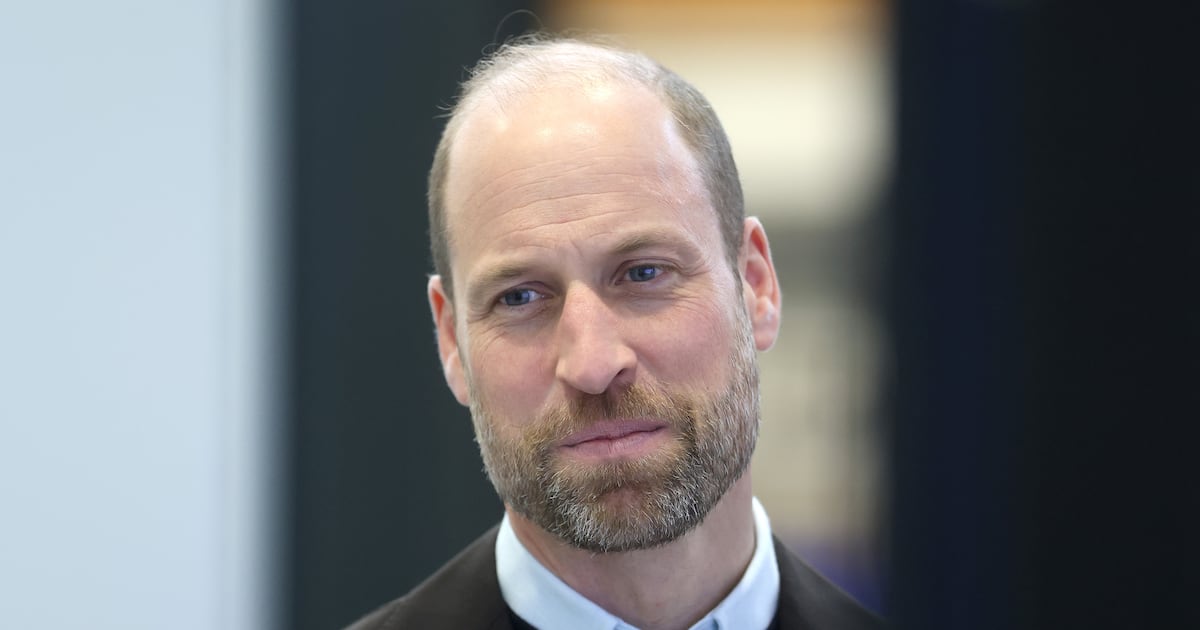
Justice Minister Rob McKee is the minister responsible for addictions and mental health services.
link