Sleep well? Tips from SECPSD on getting the most of your Zs – DiscoverWeyburn.com
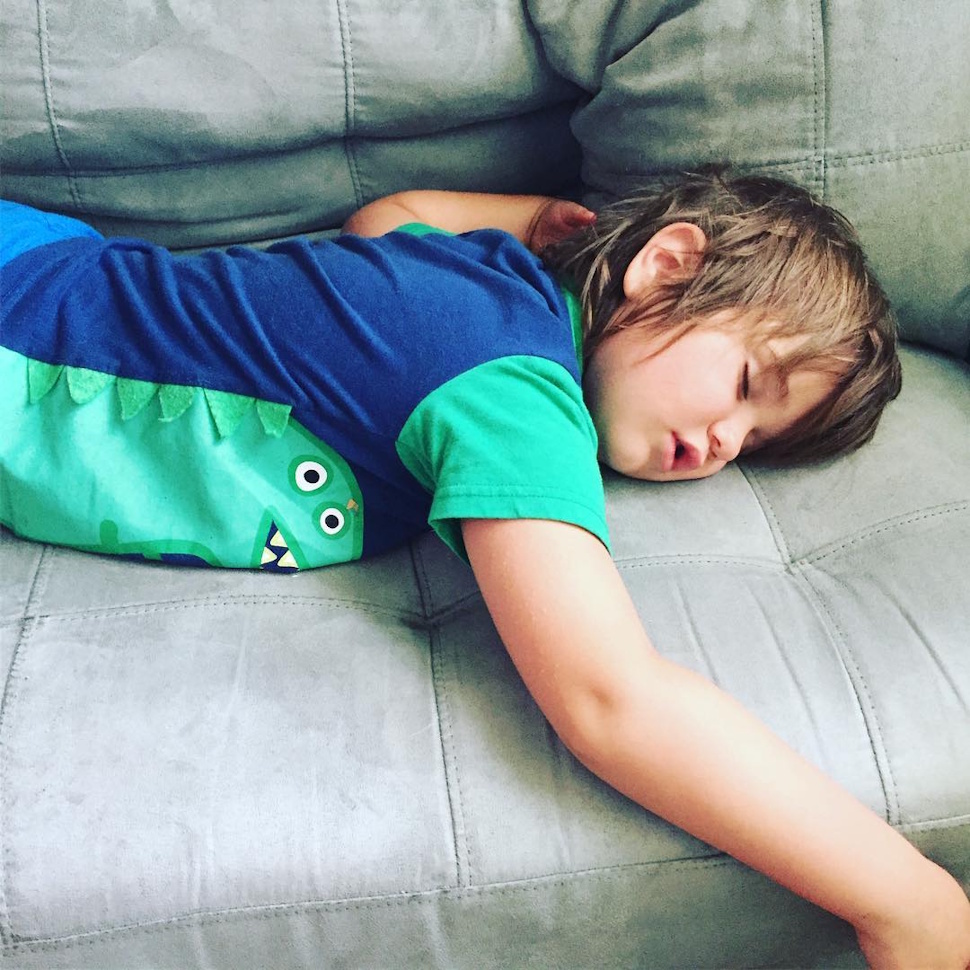
A good night’s sleep can make all the difference in how a day goes, and those who do not sleep well can attest to how noticeable short or unrestful sleep can impact all of the other aspects of life.
Mental Health Consultant with the Southeast Cornerstone Public School Division, Raylene Forseth, said it’s so important for everyone of any age to get a good night’s sleep.
“It’s a huge part of overall health and mental health, because sleep is really where our body and brain repair and revitalize. It helps us learn and work and play and generally just function at our best. Anybody who’s had a restless night of sleep or missed a night of sleep will know how important sleep is to functioning.”
She said practices and routines that help people have a good night’s sleep are often referred to as ‘sleep hygiene’. While healthy sleep looks a little bit different for everyone, there are some common tips that can help develop positive sleep hygiene habits for adults and kids alike.
First things first: have a consistent schedule.
“Consistency really does help to reinforce healthy sleep cycles in your brain and body,” shared Forseth.
“There’s actually some research that suggests that people with consistent sleep schedules tend to fall asleep more easily and wake feeling more rested. So a consistent sleep schedule also can help us to maintain healthy sleep during times of stress. And of course, that’s important because of that restorative nature of sleep. It plays a really big role in overall health and mental health.”
“Lives get really busy, as we know, and there are times where sleep schedules get disrupted. School holidays are a really good example. We might be traveling or we’re visiting with friends and family that we maybe don’t see all the time. It’s okay when sleep schedules aren’t perfect. What we’re aiming for is consistency.”
She said even when we can’t have the most consistent sleep, there are some other elements of sleep hygiene that can help.
“Another tip would be creating a comfortable sleep environment. This looks a little bit different for everyone, but generally you want to do things like reducing noise or maybe including some soothing noise in your sleep space. Some people find white noise or soothing sounds block more disruptive outside noise and help them to stay asleep and fall asleep better. Minimizing light is another thing to consider because bright lights or certain kinds of light, such as the light from devices, they can interfere sometimes with falling or staying asleep.”
On that note, disconnecting from devices before bed is another important sleep hygiene practice, according to Forseth.
“This is because active use of devices, things like when we’re scrolling through our social media or texting with someone, or even when we’re checking our work emails, that can trigger our brain to those awake cycles and make it harder for us to fall asleep. More passive use of technology, like listening to music or maybe a podcast before you fall asleep, those often have a less disruptive effect, but generally, stepping away from devices before bed is recommended.”
The next tip relates to what happens when we don’t just brush our teeth before bed: food, drinks, and substances consumed before sleep can have an impact on quality of sleep.
“Again, this will vary a little bit for everyone. For example, caffeine, for some people, doesn’t have a really big impact on sleep, but for other people, it has a massive impact on their sleep. So in general, it is good to avoid large meals, things like alcohol and stimulants like nicotine or caffeine right before bed.”
Forseth said the most important factor in this equation is finding what works for you.
The last tip of sleep hygiene is movement.
“When we get exercise every day, it helps us to support good sleep, but it is typically recommended to avoid really high intensity exercise before bed, because that can leave you feeling more energetic and awake. However, lighter exercise like stretching, or going for a walk, can sometimes help reduce stress and tension so that you can sleep better.”
“Just remember that your ideal sleep routine might look a bit different than someone else’s, and that’s okay. Good sleep hygiene is about establishing healthy habits and routines that work for you and for your family.”
She said your habits and routines and how that affects your sleep quality can change over time, especially for children, who may have a phase of needing to sleep with a light on, for example.
“What feels comfortable for them right now might change a little bit as they grow older, so just revisiting your sleep habits, revisiting your sleep hygiene, and keeping an eye out for things that might be pitfalls or getting in the way of sleep. Then you can always adjust as you go. But finding what works for you is the most important thing.”
“If you’ve missed a night’s sleep or had a poor night’s sleep, it’s that much harder to do the things that you have to do the next day. So it’s such a huge piece of our overall health and mental health that it becomes something that really is important to kind of revisit and look at, over and over again, throughout our lives, just to make sure that we’re doing everything that we can to really optimize our sleep and get the most out of the time that we have to rest and repair.”
Forseth said these tips, recently shared on the Legacy Park Elementary School Facebook page, are part of the Saskatchewan curriculum, which includes learning outcomes about healthy habits that include health and mental health.
“Teachers and counsellors do, on occasion, get requests from parents for health and mental health-related information. Our schools in SECPSD often share health-related information with families, and a lot of that is what’s connected to the curriculum.”
She said one of the ways they share is through the SECPSD Mental Health Monday feature, which is on the division’s social media feeds.
“As anyone who has a poor night’s sleep knows, it has a big impact on your day. So being able to share some information like this really falls into that category of health and mental health-related information. Because sleep is so restorative and we need it to learn and work and feel our best, it’s such a critical thing for both students and adults alike to learn about. Luckily, there’s lots of good information available about sleep hygiene, so when we have an opportunity to share it through some of our social media feeds, we do that. There’s also lots of information that’s good that’s available online. Health Canada has sleep guidelines. Websites like Anxiety Canada have a lot of information about sleep hygiene that applies to both kids and adults. And, of course, consulting your trusted health professional is also a great place to start if you have more questions about health hygiene.”
Forseth added that it is always a great idea to consult a health professional for help to see what other options are available for what to try if these tips alone aren’t helpful.
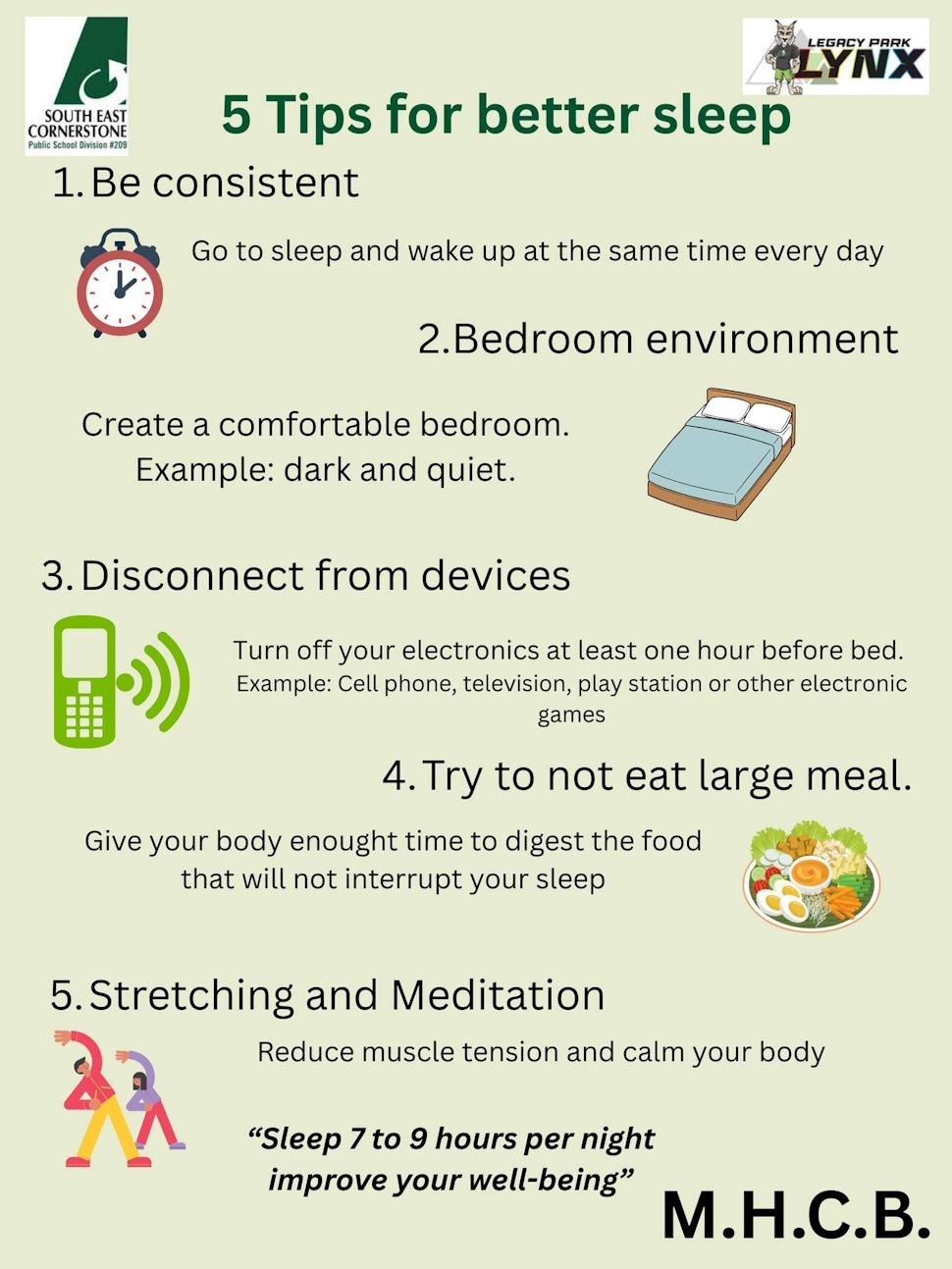 Photo: LPES / Facebook.
link